Study proves self-help books can help manage severe depression

anima self-help books

Reach for a self-help book as the first port of call in managing depression (pic: istockphoto.com/IvanBastien)

It can be hard to see the light when the cloud of depression darkens your days. But there’s evidence to show that reaching out for self-books and websites can help people who are severely depressed.

Researchers from The University of Manchester studied 2,470 patients with low and high levels of depression. They concluded that ‘low intensity’ interventions such as self-help books and interactive websites were as helpful to people with severe depression as they were to people with milder symptoms. They recommend using self-help books as an initial treatment option.

“Patients with more severe depression can be offered low intensity treatments as part of a stepped care model,” says Professor Peter Bower, who led the research at The University of Manchester.

Have you found any self-help books particularly helpful in managing your depression? 
Supporting Self-Injury Awareness Day 2013

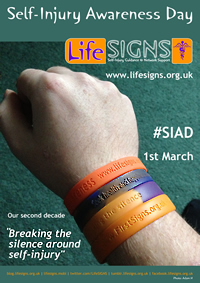
siad-wristbands-200Self-harm happens in secret. It’s a coping mechanism to relieve emotional pain and stress.  A person who self harms may cut, bruise, pick, bite or stab. They may abuse alcohol or drugs, or by inhaling or swallowing substances that are toxic to the body.

Self-harm brings a physical sensation that temporarily relieves the numbness a person feels because of their trauma, their depression, their low self-esteem, or perhaps because of the pressure they feel to be perfect. There can be any number of reasons why people self harm.

People from all walks of life can find themselves self-harming and sometimes don’t know how to stop. That’s why I’m supporting Self-Injury Awareness Day 2013 (SIAD). Because there is a way out and there is a way to stop. Self-harm doesn’t have to stay in the shadows. It’s a cry for help. And SIAD is helping to break that silence.

Check out LifeSigns for more information and ways to get help that don’t involve hurting yourself.

Why it’s time to talk about miscarriage

miscarriage association

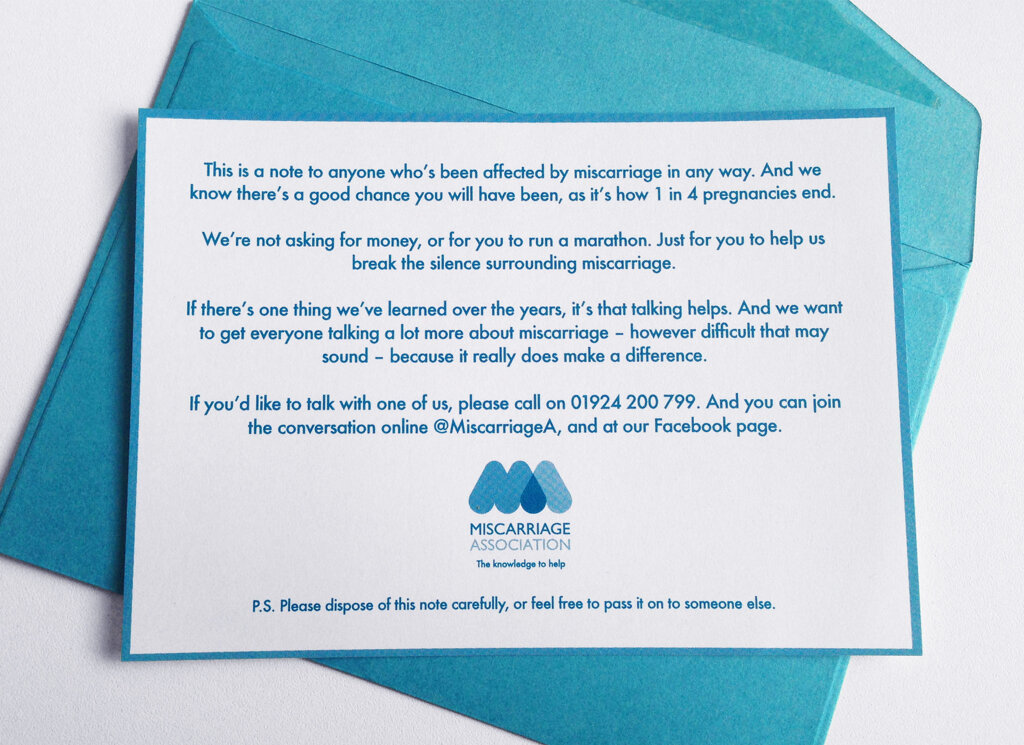
Blue letters in The Miscarriage Association’s campaign show the randomness of miscarriage.

If you’ve been through a miscarriage, you know how terrified and powerless you can feel. To lose a precious baby, no matter how many weeks’ pregnant you are, can be devastating. And it all feels so random. You may be asking: why me?

That randomness has been highlighted in a campaign by The Miscarriage Association to get people talking about miscarriage. The charity has left blue envelopes scattered around, addressed ‘to anyone’, to show just how random miscarriage can be. An estimated one in four pregnancies ends in miscarriage. And 79% receive no support afterwards.

The Miscarriage Association is encouraging people to open up about their miscarriage. So often, the sympathy of family and friends can wane after you lose a baby, or they feel embarrassed or ashamed to talk about it. The person who has miscarried can feel very isolated and alone. They can feel a failure. Talking to someone who understands can help to carry and share that sadness and heal some of the pain.

The words of Anna Raeburn, Patron of The Miscarriage Association, are very touching: Apart from loss, the most painful aspects of miscarriage are failure and grief. If you can talk about your feelings and be met with patient sympathy, you can heal.”

The Miscarriage Association’s helpline is 01924 200799, open Monday to Friday 9am to 4pm.

anima counselling also offers support and psychotherapy to people affected by miscarriage. Email info@animacounselling.co.uk to arrange an initial chat.

Lack of sleep can affect your health and your home life

anima sleep

Is burning the midnight oil affecting your health? (pic: istockphoto.com/Yuri_Arcurs)

We all know how groggy and out of sorts we can feel if we don’t get enough sleep. But two studies have shown just what an impact sleep deficiency can have on our body and our mood.

Getting less than six hours’ sleep a night for a week can alter more than 700 genes in our bodies, according to research from the University of Surrey. The immune system and how the body reacts to stress were the areas most affected by lack of sleep, the researchers found. Getting enough sleep is therefore crucial to replacing cells in our body to maintain healthy functioning.

This isn’t always easy though, especially for working parents. A separate study by workplace provider Regus found that a third (34%) of working parents sacrificed sleep to fit in all their work and personal commitments. Yet three-quarters find themselves sucked into the culture of ‘presenteeism’ because their workplaces prize a long-hours culture.

Work-life balance is a hard one to get right. “Lack of sleep is clearly detrimental to worker health and happiness,” says Regus UK MD Steve Purdy. Perhaps that’s something to reflect on next time you set your alarm extra early or find yourself burning the midnight oil.

Six signs you’re suffering from workplace burnout

workplace stress, stressed at work

Two-thirds of HR directors in UK employees say workload is the biggest cause of burnout (pic: istockphoto.com/olm26250)

Workload too heavy? Colleagues not pulling their weight? Putting in regular overtime but feeling resentful and short-changed because of it?

You’re not alone. Two-thirds of HR directors say workload is the main reason for employee burnout, according to a survey by recruitment company Robert Half UK.  And those same HR directors are on alert for the signs that their staff are buckling under the stress that current economic burdens are placing on their shoulders.

You may feel pressure to stay late to keep your job, give your all to meet higher expectations, and end up without any praise or recognition for your efforts. On top of that, you may end up sacrificing your work-life balance that means no one wins: not you, your boss or your family.

But the thing about stress and workplace burnout is it can creep up on you over many weeks and months. You may think you’re ‘coping’, but sometimes a minor happening can become a major incident when stress takes over. ‘Good’ stress can help you perform at your best. But ‘bad’ stress – when it becomes you master, not your servant – can be detrimental to your work performance and to your emotional and mental wellbeing.

Here are the six signs from the Robert Half survey that show you could be heading for burnout:

  • Frequently turning up late for work.
  • Being less productive.
  • Frequently disagreeing with managers or colleagues.
  • Feeling disconnected from the work you’re doing.
  • Calling in sick more often.
  • Feeling low and moody, and sometimes having an emotional outburst.

Feel work’s getting on top of you? Recognise the signs, and speak to someone before you burst.

Why offering a helping hand is good for your health

anima helping hand

Volunteering can boost your physical and mental health. (pic: istockphoto.com/JamaicaPlain)

They say that self-esteem comes from doing esteemable things. And now scientists have proven that doing something ‘esteemable’ – like volunteering for charity – is good for your heart as well as your soul.

In a study, a group of students who volunteered for an hour a week over 10 weeks helping younger children with craft activities and homework were found to have improvements in their heart health. The results of the study showed that those who took part had lower levels of the risk factors for heart disease, such as inflammation and cholesterol.

“The volunteers who reported the greatest increases in empathy, altruistic behaviour and mental health, and a lessening of their negative moods, were the ones who also saw the greatest improvements in their cardiovascular health,” says Dr Hannah Schreier, a postdoctoral fellow at the Icahn School of Medicine at Mount Sinai in New York, who led the study.

So, it looks like getting out into the community and helping others not only boosts your mood, but has some physical and health benefits too.